Burst Pipe Repair in the USA
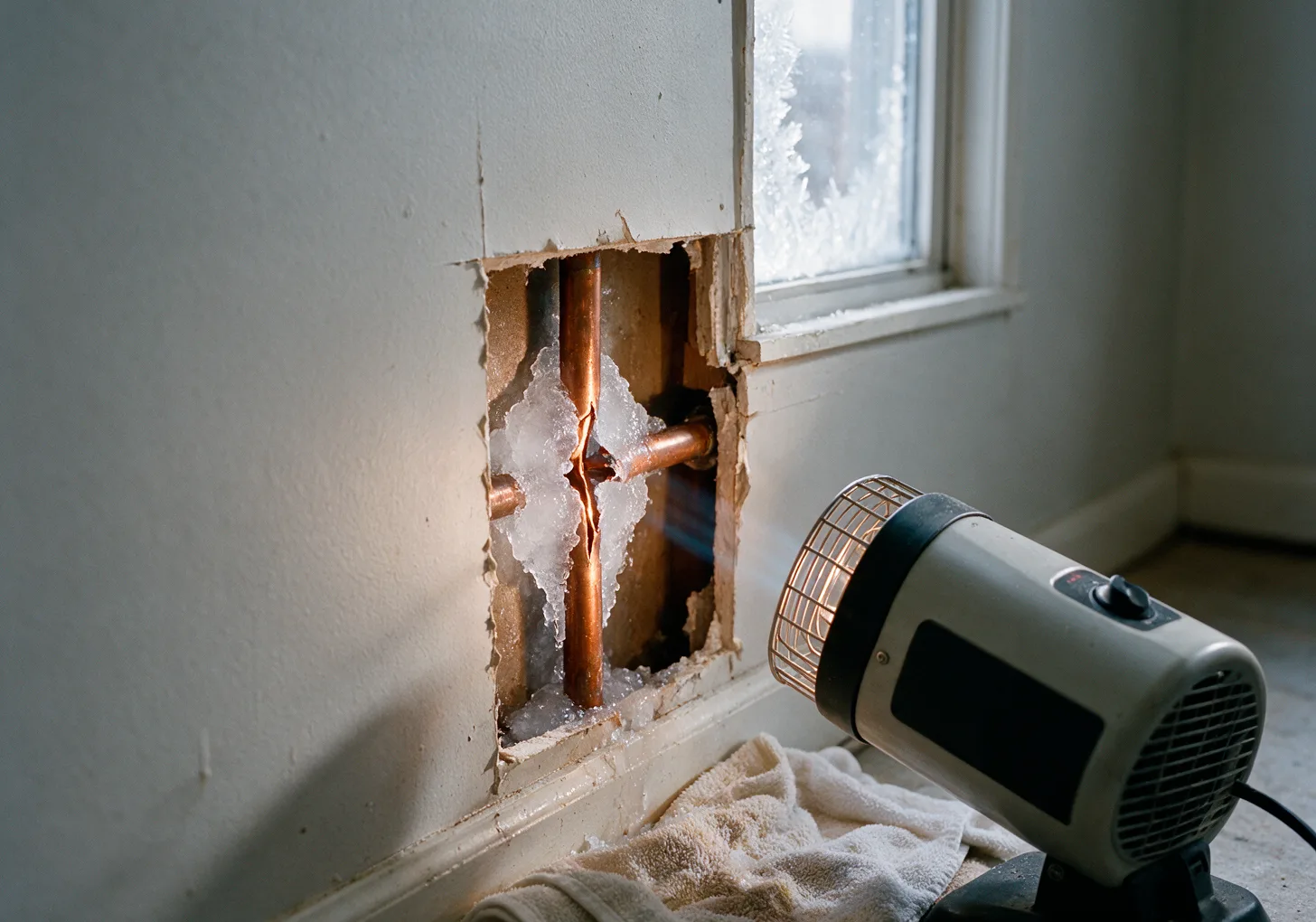
Our technicians respond to burst pipe calls by first locating the failure through pressure testing and acoustic listening devices on exposed lines. A burst often stems from corrosion eating through pipe walls or from joints that have loosened over decades of thermal expansion. Once isolated, the damaged length gets cut out and replaced rather than patched.
Freezing temperatures expand water inside pipes until the metal splits, while root intrusion in older sewer-adjacent supply lines creates pinholes that widen under normal pressure. We carry pre-cut lengths of copper and PEX along with crimp and solder fittings sized for common residential diameters so the repair can finish in one visit without multiple trips for parts. The homepage maintained by Ric's Plumbing shows additional work beyond burst pipe repair performed nationwide in the USA.
Warning Signs of a Burst Pipe
- Sudden drop in water pressure at every fixture on one floor.
- Visible water staining along baseboards or ceiling drywall seams.
- Continuous sound of running water when all taps are closed.
- Sewage odor near a cleanout after a supply line failure.
- Unexplained spike in the monthly water meter reading.
Common Causes of Pipe Bursts
Corrosion thins galvanized steel from the inside over thirty or forty years until the remaining wall can no longer contain household pressure. We cut open sections of failed pipe on site and show homeowners the scale and rust flakes that have narrowed the bore and weakened the metal.
Thermal shock from rapid temperature changes cracks solder joints where dissimilar metals meet. Tree roots seeking moisture exert enough force to deform copper tubing at fittings, creating leaks that start as slow drips and end as full bursts once the hole enlarges.
What Technicians Inspect and Measure
We begin every call by shutting the main valve and attaching a test gauge to the sill cock to confirm static pressure before any digging. Wall thickness is checked with a micrometer on exposed pipe ends, and we map the run with a camera when the line travels under a slab to determine the exact break location.
Fittings receive special attention because most bursts occur within two inches of a tee or elbow where turbulence accelerates erosion. Our technicians note the pipe material, diameter, and joint type so replacement parts match the existing system without adapters that could create new weak points.
Repair and Replacement Options
Short sections of damaged copper are removed and replaced with new Type L copper using sweat fittings or with PEX tubing joined by crimp rings when access is tight. Full reroutes become necessary only when multiple failures appear along the same run or when the original material has reached the end of its service life.
We install full-port ball valves at each end of the repaired segment so future isolation does not require shutting the entire house. Dielectric unions prevent galvanic corrosion when connecting new copper to older galvanized steel that remains in the system.
Steps Homeowners Can Take First
Turn off the main water valve at the meter or where the line enters the building to stop additional flow and limit interior damage. Open a cold faucet on the lowest level to drain pressure from the pipes while waiting for arrival, and avoid using any plumbing fixtures until the line is isolated.
Note the approximate location of visible water and which fixtures lose pressure first. This information helps our technicians decide whether to excavate outside or open an interior wall, reducing the time needed to reach the failure.
Burst Pipe Repair questions
How do you find a burst pipe without tearing up the whole yard?
We start with pressure tests at accessible points and use acoustic sensors along the line to narrow the search. A camera inspection follows when the run travels under a slab, allowing us to mark the exact spot for excavation or wall access.
Can a small leak turn into a full burst later?
Pinholes from corrosion or root contact enlarge under constant pressure and temperature cycles. What begins as a slow drip often splits the pipe wall within weeks once the metal thins past a critical point.
What pipe material do you use for replacements?
Type L copper remains the standard for visible runs because of its durability and solder joints. PEX is chosen for tight crawl spaces or long horizontal pulls where flexibility reduces the number of fittings required.
Should I shut off the water before calling?
Yes, closing the main valve stops additional water from entering the damaged section and reduces the risk of further drywall or flooring damage. Leave one low faucet open to relieve residual pressure in the lines.
Burst Pipe Repair Across the USA
Contact Ric's Plumbing to schedule an inspection of the failed line and discuss replacement options.