
Plumbing Repair in the USA
Plumbing Repair starts with shutting off the main water valve to stop flow at the meter. Our technicians then isolate the affected line by closing quarter-turn valves or gate valves at fixtures. They check for pinhole leaks in copper by listening with a stethoscope and measuring pressure drops at multiple points along the run.
When galvanized steel shows rust flakes in aerators, we cut out the corroded length and install new copper or PEX with proper crimp or solder joints. Homeowners should first note which fixtures lose pressure at the same time to narrow the search to a shared supply line. Homeowners see plumbing repair problems solved when they review the homepage offered by Ric's Plumbing throughout the USA.
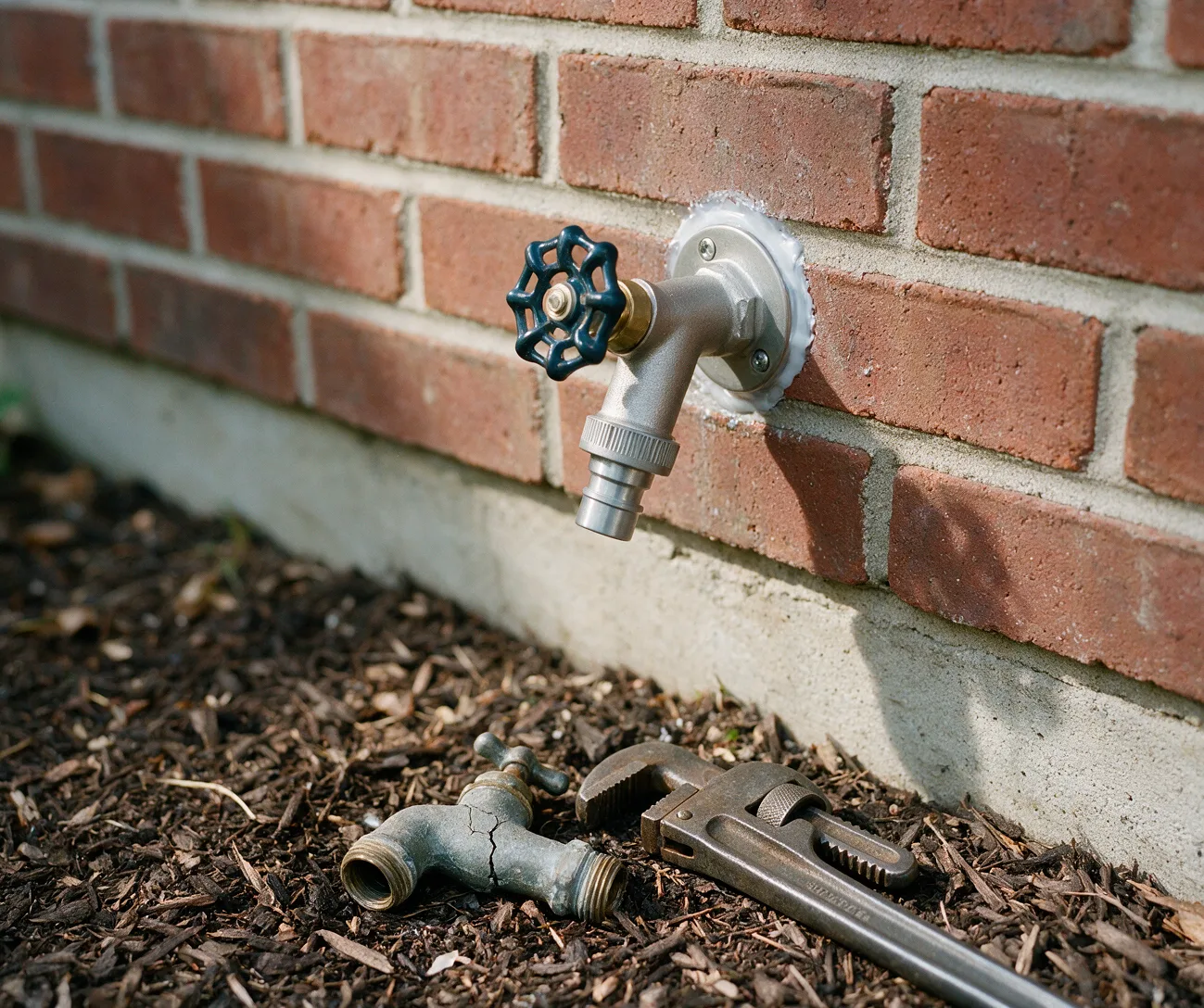
Observable Changes That Point to Pipe or Fitting Failure
- Sudden drop in pressure at every fixture on one floor indicates a shared line restriction or leak downstream.
- Discolored water that clears after several seconds often means sediment has built up inside an aging supply pipe.
- Damp drywall or ceiling stains appear when a solder joint fails behind the wall and water migrates downward.
- Repeated need to tighten packing nuts on older angle stops shows the stem seal has worn and is allowing seepage.
- gurgling sounds from a drain after a fixture is used can mean a partial blockage is forming in the trap arm or branch.
Typical Causes Found During Plumbing Repair Calls
Corrosion inside galvanized lines reduces inside diameter until flow falls below two gallons per minute at the farthest tap. Thermal expansion and contraction loosen threaded joints over decades. Our technicians cut samples to confirm wall thickness before deciding whether to replace a run or just the leaking elbow.
Improperly supported PEX can rub against joists and develop abrasion leaks after several heating cycles. We add hangers every thirty-two inches on horizontal runs and check expansion loops at each direction change. Homeowners can reduce stress on these lines by avoiding overtightening of fixture supply nuts.
Measurements and Checks Performed on Site
Technicians attach a gauge to the hose bib nearest the meter and record static pressure, then open a tub valve to read residual pressure. A drop greater than ten pounds suggests either a restriction or an active leak. They also measure pipe temperature with an infrared gun to locate hot spots caused by restricted flow.
Every accessible shutoff valve is operated fully open and closed to check for stem leakage and to confirm the ball or gate still seats. We note the condition of dielectric unions where copper meets steel so future corrosion is prevented during any partial replacement.
Repair Options and Materials Selected
For localized pinhole leaks in copper we install a sweat coupling or a push-to-connect repair coupling after reaming and deburring the pipe ends. When an entire branch has scale buildup we replace the run with type L copper or PEX-A tubing using expansion fittings rated for the existing pressure.
Angle stops that weep are swapped for quarter-turn ball valves with stainless-steel handles. We always leave at least six inches of straight pipe on either side of a new fitting so future repairs remain possible without cutting into walls again.
Steps a Homeowner Can Take Before Arrival
Locate and test the main shutoff so water can be stopped quickly if a leak worsens. Place towels or a shallow pan under any visible drip to limit damage to flooring. Note the exact fixtures affected and whether the problem occurs with hot or cold water only.
Avoid using chemical drain openers on lines suspected of having pinhole leaks because the caustic liquid can enlarge openings before we arrive. Keep cabinet doors open under sinks so any new moisture is visible on arrival.
Plumbing Repair questions
How do you find a leak behind a finished wall?
We use a moisture meter to map wet areas on drywall and listen with an amplified stethoscope along the pipe route. When needed we cut a small inspection opening rather than removing large sections of wall. The opening is later patched after the repair is pressure tested.
Can a leaking valve be rebuilt instead of replaced?
Packing nuts on older globe valves can sometimes be tightened or repacked, yet most modern repairs involve full valve replacement because the seat and washer surfaces are already eroded. We carry both brass and lead-free brass angle stops for quick swaps.
What pipe material do you recommend for a partial replacement?
Type L copper lasts longest in hard water areas while PEX-A offers flexibility around existing joists. We match the existing pipe size and material where possible to keep flow rates consistent and avoid future dielectric issues.
Should the main water valve be replaced during a repair visit?
If the main valve no longer shuts completely or shows stem seepage we replace it at the same time to avoid another shutoff later. The new valve is always a full-port ball type so future work does not require draining the entire house.
Request Plumbing Repair
Contact Ric's Plumbing to schedule an inspection of your supply lines and valves.