Gas Line Services in the USA
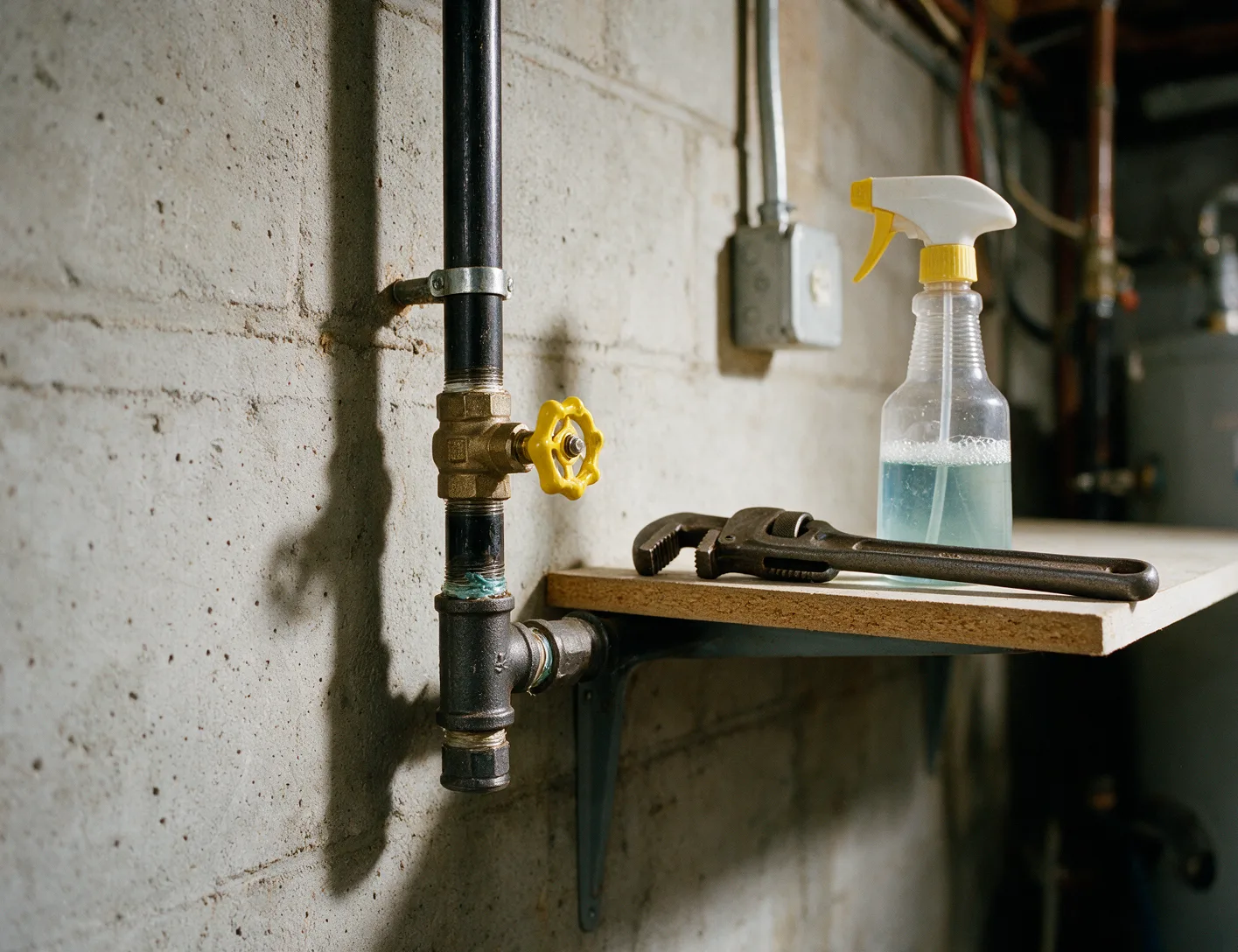
Gas lines carry natural gas or propane from the meter to appliances throughout a home. Our technicians trace the route from the main shutoff valve through branch lines to each connection point. They look for older threaded steel pipe that may have developed scale inside or rust on the exterior where moisture contacts the metal.
Pressure drops often occur at undersized fittings or after ground movement shifts the pipe alignment. We measure static and operating pressure at multiple points to locate restrictions. Proper slope on horizontal runs prevents condensate from collecting and corroding low spots. Ric's Plumbing addresses vent stack issues tied to gas line services and updates the homepage regularly for readers in the USA.
Warning Signs of Gas Line Issues
- Rotten egg smell near the meter or any appliance connection point.
- Hissing sound coming from a pipe joint or regulator vent.
- Yellow or orange burner flames instead of steady blue.
- Dead or dying grass along the buried line route.
- Sudden increase in the gas meter dial when no appliances run.
Common Causes of Gas Line Failures
Corrosion eats through black iron pipe where soil holds water against the metal for years. Joint compound dries out and threads loosen under repeated temperature changes. Settling soil pulls on rigid sections until a fitting cracks or a soldered joint on copper transitions separates.
Improperly sized CSST can suffer from lightning-induced holes if the bonding wire is missing. Tree roots wrap around plastic pipe and crush it over time. Homeowners sometimes add new appliances without upgrading the supply line, starving the system and causing pressure swings at every fixture.
What Technicians Inspect and Measure
We begin at the meter and work toward each appliance. A calibrated manometer records static pressure and then running pressure while multiple burners operate. Soap solution is applied to every threaded fitting, valve stem, and flare nut to reveal bubbles at leak points.
Regulators are checked for correct outlet pressure and vent orientation. CSST is examined for proper support spacing and bonding clamp location. Buried PE pipe is traced with a locator before any excavation so the crew knows exactly where the line runs and at what depth.
Repair and Installation Options
Small leaks at accessible fittings are repaired by isolating the section, cutting out the damaged threads, and installing new malleable iron fittings with fresh pipe dope. Longer runs of corroded pipe are replaced with new schedule 40 black iron or with approved CSST depending on access and local code requirements.
New gas line installations start with a load calculation for every appliance. The crew sizes the pipe or tubing to maintain adequate pressure at the farthest point. Shutoff valves are placed at each appliance for future service, and the entire system is pressure tested before appliances are relit.
Materials and Parts We Use
Black iron pipe remains the standard for exposed interior runs because of its durability and thread strength. Polyethylene pipe with yellow tracer wire is used underground because it resists corrosion and moves with soil. CSST offers flexibility for tight attic and crawl space routes when properly bonded.
Brass and malleable iron fittings connect different materials. Excess flow valves and earthquake shutoffs can be added at the meter if the existing piping allows. All regulators and appliance connectors meet current manufacturer specifications for the gas type in use.
Gas Line Services questions
What should a homeowner do first if they smell gas?
Leave the building immediately without flipping switches or using phones inside. Once outside, call the gas utility from a safe distance to report the odor, then contact Ric's Plumbing for Gas Line Services once the utility clears the area.
Can a small hissing sound be ignored for a few days?
No. Even a small leak can grow quickly when vibration or temperature changes move the fitting. Our technicians measure the leak rate and decide whether the section can be isolated or must be replaced before the line is returned to service.
How do you decide between black iron and CSST for a repair?
Access, future service needs, and pipe route determine the choice. Straight runs with good clearance receive new black iron. Tight bends around joists or through finished walls receive CSST because it pulls through without opening large sections of wall.
What happens during a pressure test on an existing gas line?
We isolate the line from the meter and appliances, then pump it to a set pressure and watch the gauge for thirty minutes. Any drop indicates a leak that must be found and repaired before the system is placed back into operation.
Gas Line Services Across the USA
Our technicians locate leaks, test pressure, and replace damaged sections with correct pipe and fittings.