
Water Heater Installation in the USA
Water heaters fail when sediment layers thicken at the tank bottom and trap heat against the metal, causing early burnout of the heating element or burner assembly. Our technicians measure incoming water temperature and flow rates at multiple fixtures to confirm whether the existing unit can still meet demand or if replacement is required.
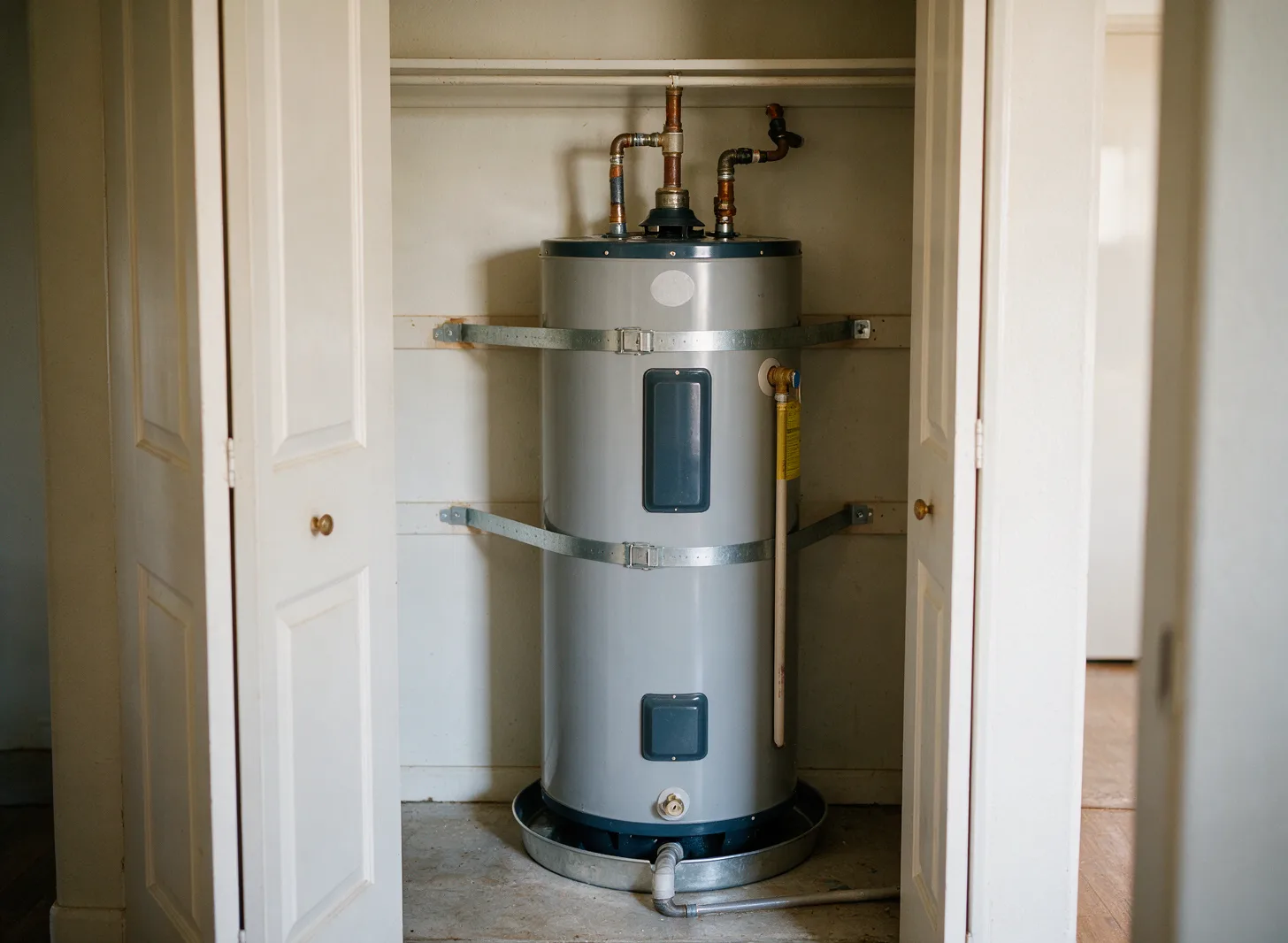
Gas models need proper draft through the flue and a clear combustion air path, while electric units require correctly sized breakers and ground connections. We examine the dip tube for cracks that let cold water bypass the heating zone and check the pressure relief valve for signs of mineral buildup that blocks release. Pipe joints and cleanouts get attention in water heater installation from Ric's Plumbing as noted on the homepage for the USA.
Warning Signs
- Water temperature fluctuates between hot and cold during a single shower.
- Rusty or discolored water appears only from the hot tap.
- Popping or rumbling sounds come from the tank during heating cycles.
- Visible moisture collects at the base of the tank or around fittings.
- Hot water runs out faster than it did when the unit was new.
Inspection Steps
Technicians start at the shutoff valves and trace the supply lines for corrosion or mismatched fittings. They record the model number and serial date, then remove the access panel on electric units to test each element with a multimeter for continuity. On gas units they verify the thermocouple output and clean the burner orifice of soot.
Next they measure the temperature and pressure at the outlet, noting any drop that indicates a restricted dip tube or clogged aerators downstream. The anode rod is pulled and examined for remaining magnesium or aluminum; once it is consumed the tank steel begins to pit.
Venting is checked for proper slope and termination height on gas models, while electric installations receive a load calculation against the panel capacity.
Replacement Choices
Tank style units remain common because they store a ready volume and work with standard 3/4 inch water lines. Tankless options heat on demand through a heat exchanger and require upsized gas lines or dedicated electric circuits to handle the higher draw.
When switching fuels we adapt the venting run with stainless steel pipe and seal joints to prevent exhaust leakage. Electric conversions need new conduit runs and breakers sized to the element amperage listed on the data plate.
We also offer hybrid heat pump models that extract warmth from surrounding air, which changes the installation footprint and requires condensate drainage.
Parts and Materials
Copper flex connectors absorb minor movement and reduce stress on rigid pipe threads. Dielectric unions prevent galvanic corrosion where copper meets steel tank nipples. We use expansion tanks on closed systems to absorb thermal increase and protect the temperature pressure relief valve from frequent discharge.
For gas installations we select black iron or CSST rated for the BTU load and install a drip leg to catch debris before it reaches the control valve. Electric models receive 10 gauge or larger wire depending on distance from the panel.
New units include factory installed heat traps and insulation blankets where local codes require them.
Homeowner Steps First
Locate the main water shutoff and confirm it turns fully. For electric units switch the breaker off at the panel and verify power is dead with a tester. Gas models need the valve at the appliance turned to the off position and the pilot extinguished if present.
Clear a three foot path from the unit to the nearest exit so the old tank can be carried out without obstruction. Note the size and fuel type of the current heater so the replacement matches household demand.
Photograph the existing piping layout and any labels on the tank before shutting off supplies.
Water Heater Installation questions
How long does Water Heater Installation take?
Most tank replacements require four to six hours once the water is shut off and the old unit drained. Tankless swaps add time for larger gas or electric lines and new venting runs that must be routed through exterior walls.
Can I keep my existing water lines during Water Heater Installation?
Lines are inspected for corrosion and proper support. Flexible copper or braided stainless connectors replace rigid sections that show green oxidation or thread damage so the new tank sits level and connections remain accessible.
What size heater replaces my current model?
Technicians calculate first hour rating by counting bathrooms and peak simultaneous use, then match it to the new tank or tankless capacity. Oversized units short cycle while undersized ones run continuously.
Do you remove the old unit during Water Heater Installation?
The old tank is disconnected, drained through a hose to a safe outlet, and carried out. Any remaining sediment is vacuumed from the floor so the new unit rests on a clean, level surface.
Water Heater Installation
Contact Ric's Plumbing when your water heater shows these signs and needs replacement.